Phoenix Perennials and Specialty Plants


Garden Planning

Planning plant locations allows you to best use the natural landscape of your garden. It also allows you to plant using color and shape in your garden design.

Location:
Consider where you are going to plant your new additions, or at least in which part of the garden they may end up. A plant placed in the right spot (sun, shade, wet, dry, etc.) and given good soil and adequate water will thrive and multiply.

Making Beds:
Try and plan wide enough areas for your flowering perennials, so that you can have a number of drifts between the front of the border and its backdrop (fence or shrubbery). It is extremely difficult to get lush, cross-seasonal effects without adequate bed width. 1-2 feet will not work, 4-5 feet is do-able, and 12-15 or even 30 feet is dream! Most of us don't have endless space, so planning is crucial.

Using Color:
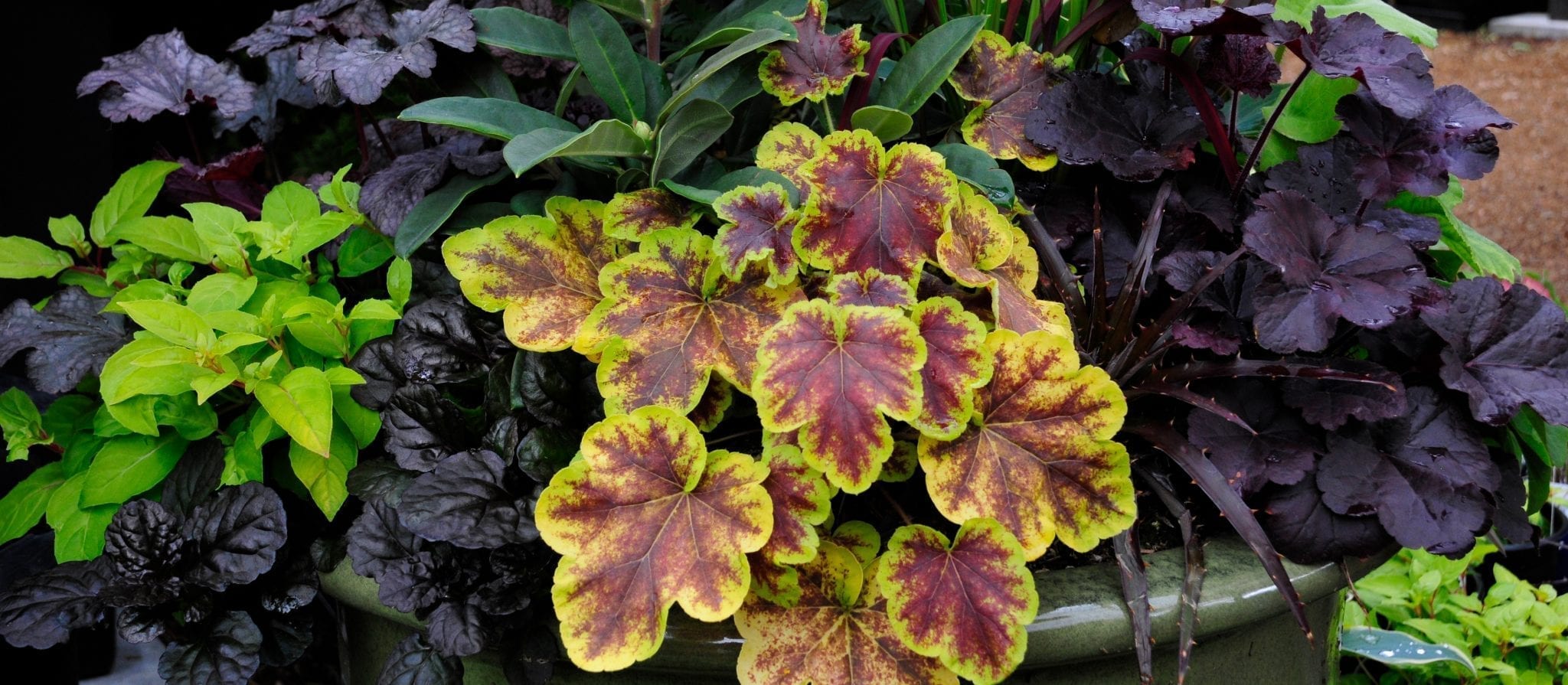
Consider limiting your color palette initially, expanding it as your garden matures. Too many colors may result in a tense, unrestful space that feels too full. Try starting with 2-3 colors and then add sparingly to pick up a section, or add a surprise. Don't feel you have to have it all and now! The garden can and should evolve and grow, changing with age and with your own interests. Come into our nursery and look at the color wheel we have set up for ideas about color matching.

Using Shape:
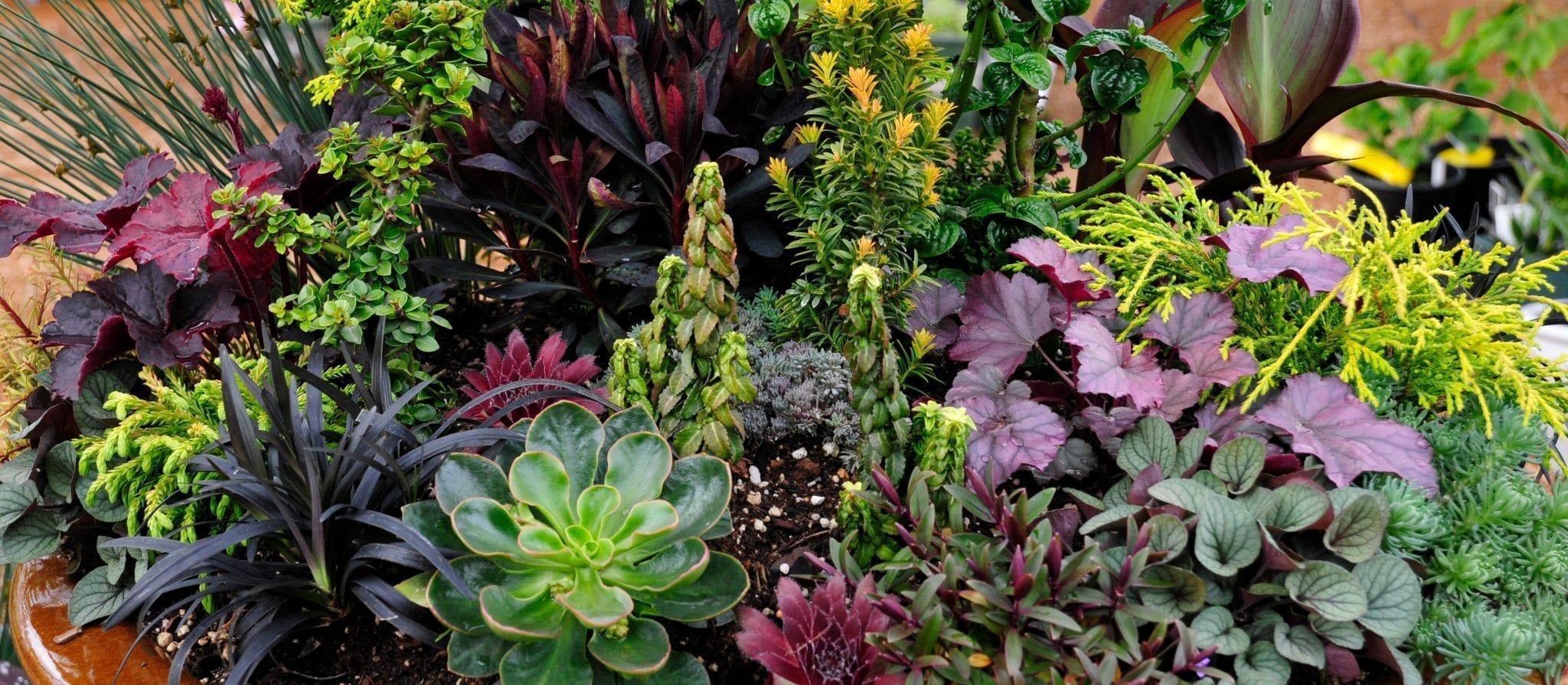
In choosing plants, consider their shapes. For instance, Sisyrinchium striatum is spiky, Phlox is rounded, Euphorbia architectural, and Verbena bonariensis are wandering. These differences can be very useful additions to your garden design, to emphasize, meld, or mark a visual focal point. Plan your plant material with as much attention as you have given your deck, patio, or paths.

Fragrance:
Lilium auratumMmmmmmm… Near the pathways, arbors, steps, windows! And in mid-winter!! Yes it can be done! Many people have memories of garden fragrance, collected when they were children. Often they want to repeat the warm effect in their own gardens, bringing back a collection of associations with a simple scent of Lavender... or Honeysuckle. This too is part of a garden.
» Click here for our entire list of fragrant plants.

Consider Seasonality:
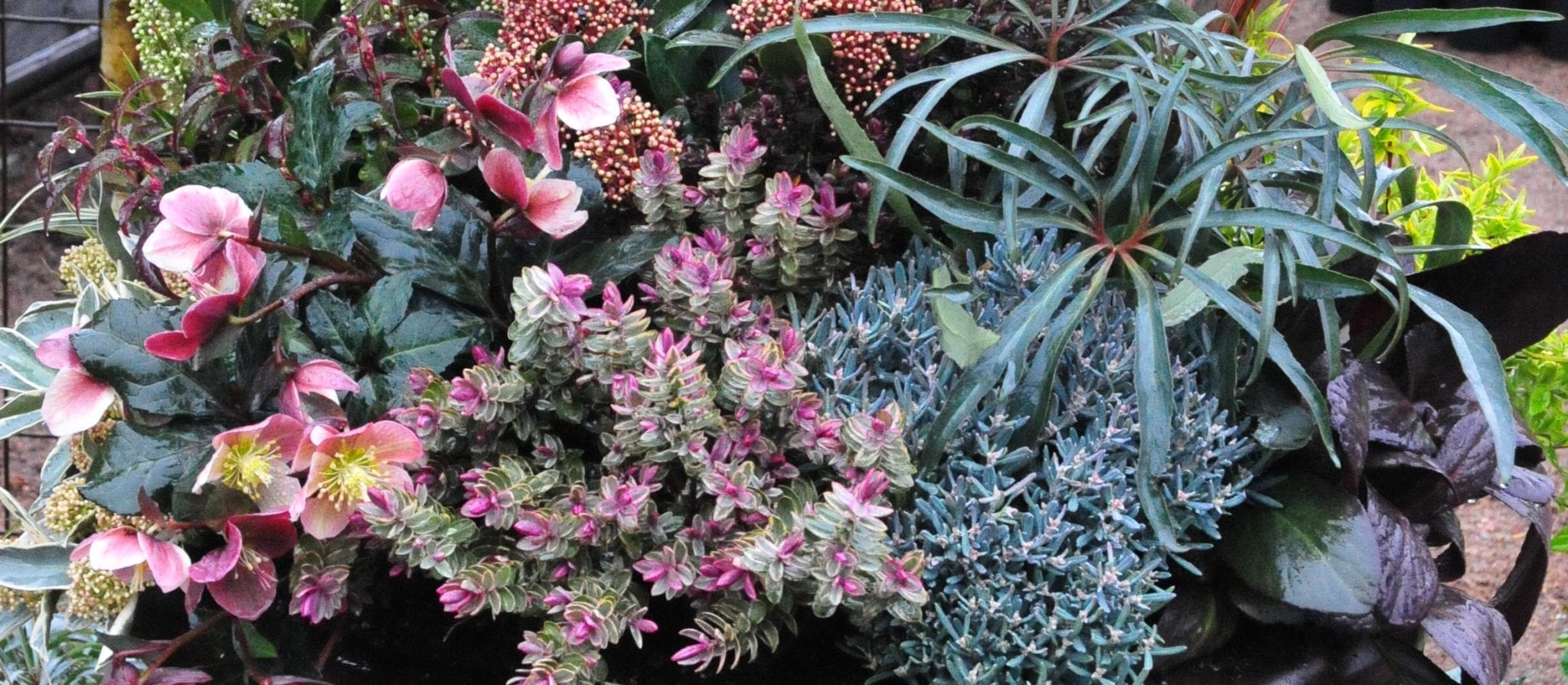
Try and plan your plant choices so that something of interest is always occurring and is complemented by the plants around it. In the Pacific Northwest, it is possible to have your garden perform over 12 months of the year. Because of this, our small urban gardens, seen from the rooms of the house all year, become key components of our living space. Many perennials are "herbaceous". This means that they will die down during the winter, remaining dormant and insulated in the soil, only to be rejuvenated - like the mythical Phoenix - in the Spring. For the winter months, evergreen perennials are of great value (e.g. Hellebores, Euphorbias, Epimediums, Geranium macrorrhizum, some Penstemon, etc.).
» For our list of evergreen perennials, click here.


Contact Us | Home | © Phoenix Perennials